



A Look Back at 2020: Sustainability Trends
Posted By on Jan 05, 2021
2020 Sustainability Trends and Reflections | EcoEnclose
Somewhere in the midst of a harrowing global pandemic, the many tragic events that have led to a potentially hopeful tide change in racial and civic justice, seemingly relentless floods and fires, and the emotional isolation many of us have felt, a strong though quieter focus on sustainability has continued.
Here, we highlight a handful of trends and environmental stories that showcase the best and worst of sustainability progress in 2020.
The Impact of the Pandemic on Packaging
In March, the entire world shifted more toward disposable (largely plastic) packaging than ever before. Ecommerce, curbside pickup, and takeout -- these are packaging-intensive practices that skyrocketed as we all navigated lockdowns and social distancing requirements. Municipalities that were banning single-use plastic and companies that were shifting towards more sustainable packaging rolled back their efforts in response to COVID.
For instance, the fast-casual chain Just Salad previously used reusable bowls that saved more than 75,000 pounds of plastic a year.
During the pandemic, the company paused the program and went to disposable plastic packaging for their delivery and takeaway.
At the same time, oil prices plummeted, giving oil companies an incentive to expand plastics manufacturing to keep their companies afloat. This has led to a proliferation of virgin plastic, which is now so cheap that recycled plastic struggles to compete on cost. This is a reinforcing cycle and challenge: more and more plastic needs to be recycled than ever before, yet the economics and infrastructure are not yet in place to reclaim and remanufacture it into recycled plastic packaging that can compete with virgin alternatives.
We are proud that through all this, our community and we have continued to make our recycled poly and bubble mailers a viable and sustainable option for companies that recognize the importance of eco-friendly over low-cost-at-all-costs.
Which brings us to our next, closely related, environmental trend of 2020...
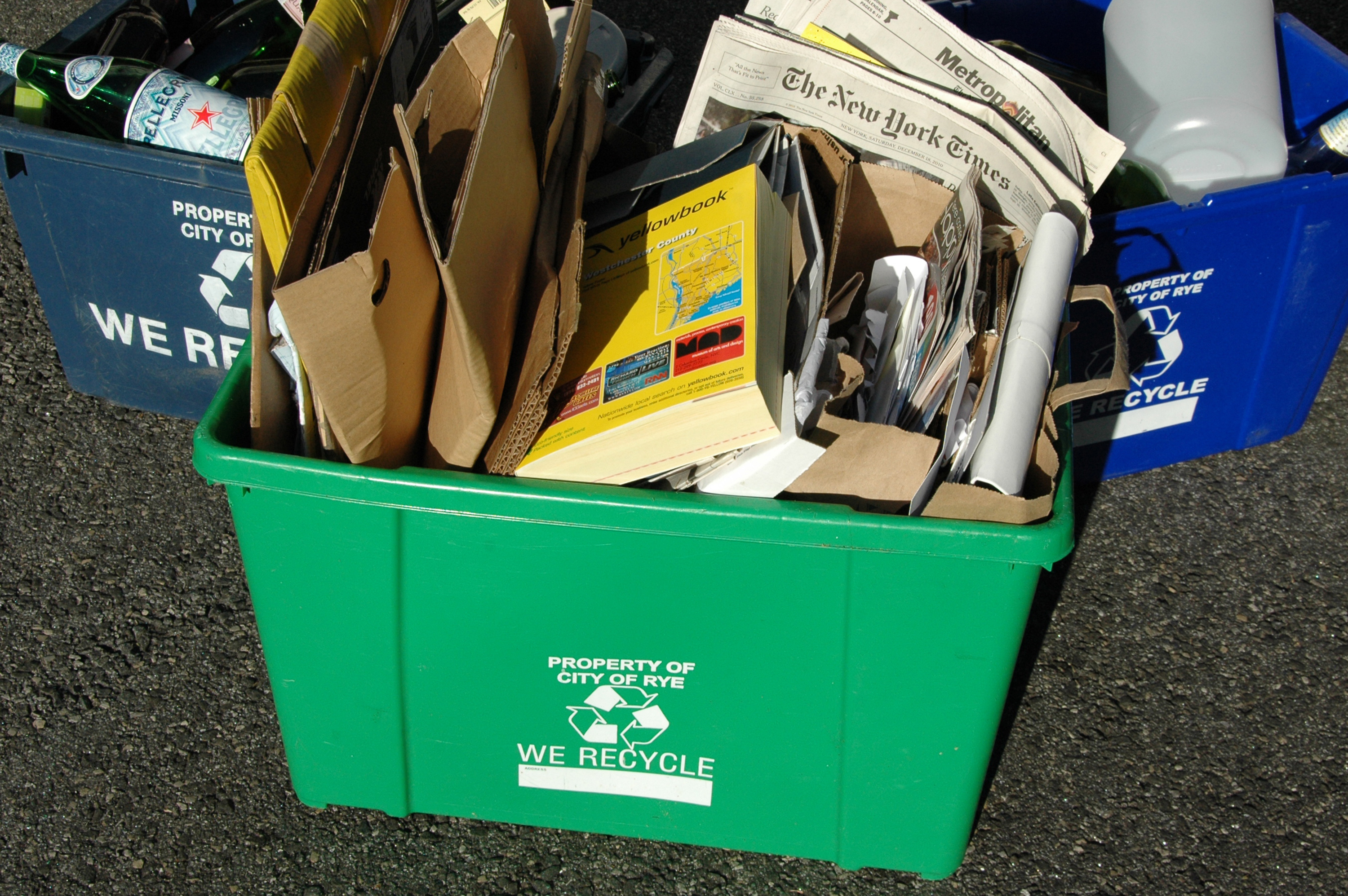
Plastic and Plastics Recycling Have Come Under Fire.. with some Emerging Technologies Offering Hope
NPR’s story “ How Big Oil Misled the Public Into Believing Plastic Would be Recycled” got a lot of attention for bringing into the mainstream what many of us deep in environmental work know well - that recycling is a supply chain, not simply the act of throwing something into a blue bin! For recycling to work, reclaimers need to be willing to purchase recycled material to produce new goods they can sell (in economically viable ways).
The article appropriately sheds light on the fact that oil companies spent heavily on marketing campaigns promoting recyclability, without properly investing in the infrastructure and demand creation needed to handle the resulting influx of recycled plastic. This has led to an unconscionable amount of recycled plastic that is ultimately landfilled because there are no buyers for that material.
For many, the story is that “plastics recycling doesn’t work.” For some, stories like this prompt them to move towards compostable bioplastics (we are strongly against this silver-bullet mentality, as compostable plastics have their own set of terrible environmental issues if they are scaled to the same level as traditional plastics today).
For us, the story is: We (businesses, consumers, oil companies, policymakers) need to figure out how to make recycling work for plastics the same way it currently works for materials like paper and aluminum. We also need to (perhaps after COVID is “behind” us and we can resume more “normal” day-to-day habits) continue incentivizing people to minimize single-use as much as possible because source reduction is always preferred over recycling. Read our post on this topic for more details.
What do we need right now?
- More efforts to reduce single-use everything (source reduction comes first).
- More and better infrastructure to sort and reclaim/remanufacture various types of plastic.
- Improved plastic recycling technology, so plastic can be recycled or upcycled rather than downcycled.
- Regulations and policies that discourage virgin plastic production and encourage the use of recycled plastic.
- Halting the silver bullet mentality around compostability and bioplastics. This directs our attention to solutions that could ultimately create more pollution and contamination than the ones they are looking to replace.
To that end, there have been some promising advancements.
The "Save our Seas" 2.0 bill was enacted into law and encourages the development of circular polymers and grants $55 million to states to improve local post-consumer materials management and recycling programs.
At the same time, a handful of companies are exploring a new type of plastics recycling - chemical (versus mechanical) recycling, sometimes referred to as “advanced recycling”. This type of recycling breaks down waste plastics into molecular building blocks such as carbon, oxygen, and hydrogen, which are then remade into new items. There are challenges and concerns about chemical recycling, but if these can be overcome and the process executed efficiently and without intensive resource use, it could allow certain plastics to become more like aluminum, which is endlessly recyclable.
Steps like these are not even close to enough, and there is some hope that the incoming administration will usher in a new focus on zero-waste policies, recycling advancements, and legislation that discourages virgin plastic production and encourages the use of recycled plastic.
Environmental Justice Moves to the Forefront of the Sustainability Movement
Intersectionalism was one of the words of 2020.
It is not a new concept at all. Kimberlé Crenshaw coined the term "intersectionality" in 1989 to describe the marginalization of African American women within the broader feminist movement.
Leah Thomas first applied the term “intersectional” to environmentalism: “Intersectional Environmentalism is an inclusive version of environmentalism that advocates for both the protection of people and the planet. It identifies the ways in which injustices happening to marginalised communities and the earth are interconnected. It brings injustices done to the most vulnerable communities, and the earth, to the forefront and does not minimise or silence social inequality. Intersectional environmentalism advocates for justice for people and the planet,” - Leah Thomas, Climate Activist
A related term, “environmental racism,” refers to the practice of readily locating polluting infrastructure closer to communities of color.
Environmental justice is a broader term that encompasses the two concepts above.
The EPA defines it as “the fair treatment and meaningful involvement of all people regardless of race, color, national origin, or income, with respect to the development, implementation, and enforcement of environmental laws, regulations, and policies.”
Semantics aside, the broader Black Lives Matter movement brought these concepts into the mainstream. In some ways, it was a year of reckoning for businesses and policymakers who may have previously patted themselves on the back for their environmental work and impact, only to now come face to face with the fact that their work has slighted or even harmed certain communities.
More than ever, advocacy organizations, businesses, policymakers, and nonprofits are recognizing how environmental justice can lead to decisions that differ from those they have historically made.
For example, much attention has been given to ocean plastic pollution. This year, mainstream attention has finally been given to the tragic impact of plastic production on local communities, which experience poor health outcomes at up to 50 times the rate of national averages. Our collective responsibility is to ensure that this focus on environmental justice remains through 2021 and on, and becomes ingrained in how everyone thinks about sustainability and environmentalism more broadly.

Extreme weather and natural disasters
We know that any one specific natural disaster is not “climate change.”
But when we look at trends, we begin to see the impact of climate change and carbon emissions on our world. 2020 provided plenty of examples of extreme weather and natural disasters, as well as evidence of the very trends that climate models have forecast.
Bushfires in Australia started in 2020. Fires raged in our backyard in Colorado, in California, in Russia’s Far East, Siberia, the Amazon, Angola, and the Democratic Republic of Congo.
The 2020 Atlantic hurricane season was more active than any other on record, with 13 hurricanes and 30 named storms. Hurricane Eta killed more than 200 people.
Temperature records were shattered. 70° (Fahrenheit) temperatures were recorded in Antarctica in February. In August, California’s Death Valley recorded the highest temperature ever recorded on Earth.
The World Meteorological Organization announced that 2020 is likely to be the warmest year on record, 1.2°C (2.2°F) warmer than the pre-industrial average.
The Great Barrier Reef experienced its third bleaching event in five years, while Arctic sea ice hit its second-lowest extent in September.
As a sign of more positive news, we also saw in 2020 that changes in human behavior can have a rapid and drastic impact on carbon emissions. Which brings us to our next trend.
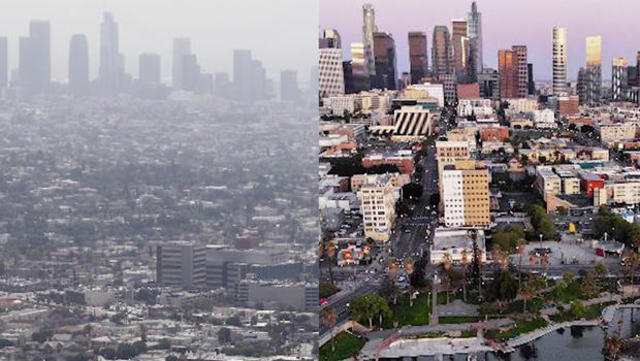
Air Quality and Carbon Emissions...Impact of the pandemic lockdown
City streets went quiet this year. Passenger traffic plummeted, and related emissions (carbon dioxide and nitrogen dioxide) dropped. Scientists around the world are collaborating to analyze how CO2 emissions changed as a result of the global lockdown.
Preliminary results suggest that fossil fuel CO2 emissions have fallen at the same rate that traffic volume has decreased.
No doubt, this pandemic is a tragedy. But if there is any silver lining from COVID, it may be that the world has had the chance to see the impact of such a drastic and quick reduction in such emissions. What better motivator to move the world towards electric vehicles than to experience firsthand what it could look like?
Carbon Offsets and Corporate Goals
Bank of America kicked off 2020 by announcing it had met its carbon-neutrality goal a year early. In September, Google announced it achieved a lifetime net-carbon footprint of zero. REI made the same announcement.
Goals around carbon neutrality and water neutrality are being set and are being met. It is, however, important to recognize that this strategy is ultimately an exercise in in-depth calculations and the purchasing of carbon credits.
These large companies are investing resources in calculating the carbon footprint of every aspect of their operation - their products, employee commuting, the heating and cooling of their facility, etc. Once these calculations are made and verified, companies purchase the equivalent amount of carbon offsets (i.e., projects that are verified to sequester or avoid a specific amount of carbon emissions).
It is important to note that offsetting should not be readily equated with perfect neutrality or net negative carbon emissions. In fact, there is concern that using offsetting on such a sweeping scale may make companies lazier about reducing their carbon footprint and seeking more environmentally friendly ways of doing business. Going into 2021, we hope to see companies, large and small, continue to measure in disciplined ways and focus on reducing first, and offsetting second.
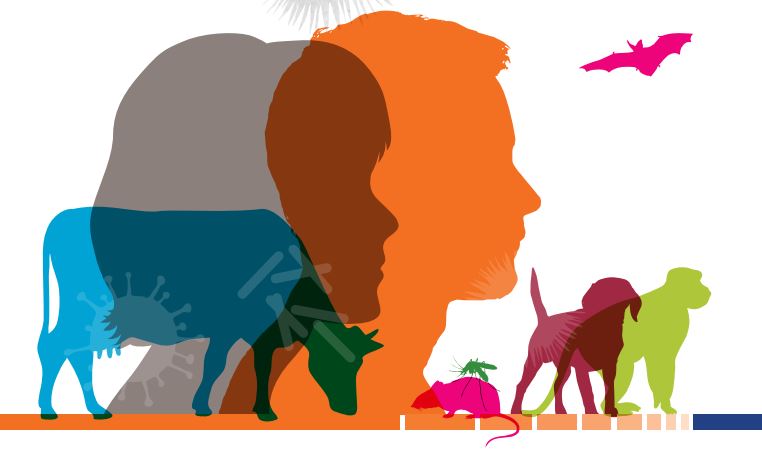
The World Comes Face to Face with “One Health”
This time last year, most of us were just learning the concept of “zoonotic diseases” - illnesses that can spread between animals and people. Examples include: COVID, zoonotic influenza, salmonellosis, West Nile virus, and rabies.
Now, we hopefully fully recognize how our current approaches to agriculture and livestock production create conditions that enable wildlife pathogens to jump to humans, and how dangerous this situation is for us.
More attention and funding are now being given to One Health—a collaborative, multisectoral, and transdisciplinary approach—working at the local, regional, national, and global levels—with the goal of achieving optimal health outcomes by recognizing the interconnections among people, animals, plants, and their shared environment.
According to the CDC, “Incorporating a One Health approach into global public health efforts means working collaboratively with an array of experts in human health (doctors, nurses, public health practitioners, epidemiologists), animal health (veterinarians, paraprofessionals, agricultural workers), environment (ecologists, wildlife experts), and other areas of expertise (pet owners, communities, policymakers). This will allow us to improve global preparedness and response to pandemic threats and other zoonotic and infectious diseases. The One Health approach allows us to have the biggest impact on improving health outcomes for people, animals, plants, and our shared environment.”
What does 2021 have in store? Read our post about climate policies to look for with the new administration.