



Eco-Friendly Packing Paper
Packing paper that protects your products, without plastic.
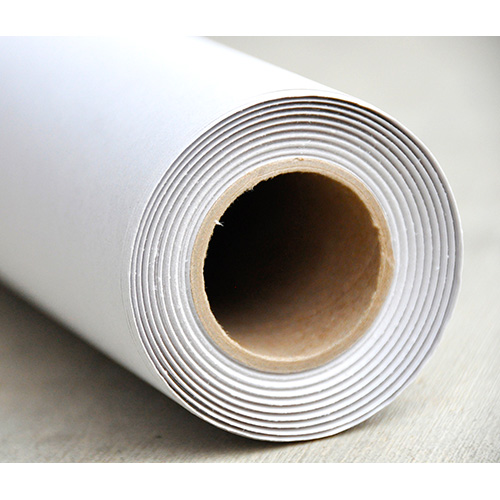
EcoEnclose packing paper is a simple, sustainable way to wrap, cushion, and protect products during shipping. Made from recycled paper and delivered in convenient rolls, it’s an easy upgrade from bubble wrap or plastic void fill, especially for brands focused on responsible eCommerce packaging.
Use it to wrap fragile items, fill empty space in boxes, or create a clean, intentional unboxing experience. It’s versatile, effective, and curbside recyclable.
EcoEnclose packing paper is a simple, sustainable way to wrap, cushion, and protect products during shipping. Made from recycled paper and delivered in convenient rolls, it’s an easy upgrade from bubble wrap or plastic void fill, especially for brands focused on responsible eCommerce packaging.
Use it to wrap fragile items, fill empty space in boxes, or create a clean, intentional unboxing experience. It’s versatile, effective, and curbside recyclable.
Key Product Features
Recycled Content
Fibers made with 100% recycled content. May also include additives.
PCW Content
Made with 30% post-consumer waste that has been diverted from landfills.
Plastic-Free
Paper fibers do not contain added synthetic polymers.

Renewable
Made from readily renewable raw materials that can be regrown.
Curbside Recyclable
Commonly accepted in most curbside recycling programs across the US.
Made in USA
Utilizes local recycled inputs, transparent supply chain, lower transportation footprint.
Why Use Packing Paper for eCommerce?
Packing paper is one of the most adaptable protective materials used in modern packaging ecommerce operations.
It’s commonly used to:
- Wrap fragile or scratch-prone items
- Fill empty space inside shipping boxes
- Prevent products from shifting during transit
- Improve presentation for unboxing and gift-ready shipments
Packing paper works especially well for apparel, books, cosmetics, home goods, and subscription shipments, anywhere protection and presentation both matter.
Start Your Order
Frequently Asked Questions
What makes EcoEnclose’s packing paper more eco-friendly than other void fill options?
Most traditional void fill - such as peanuts, pillows, and bubble wrap® - is virgin and difficult to recycle. Our packaging paper is 100% recycled and is curbside recyclable.
Bubble wrap®, packaging peanuts, and air pillows encourage brands to ship and store an excessive amount of air. Packaging paper arrives on a large roll with no excess air. And you can tear off the exact amount you need for each package you ship.
Bubble wrap®, packaging peanuts, and air pillows encourage brands to ship and store an excessive amount of air. Packaging paper arrives on a large roll with no excess air. And you can tear off the exact amount you need for each package you ship.
How should packing paper be used?
You can use paper wrap in several different ways. Most commonly, it is torn off, crumpled up, and placed anywhere there is excess air in shipping boxes. The paper acts as dunnage when used this way, filling spaces in packaging that - if left open - would cause contents to shift and move around in transit, leading to damage and disarray.
Another common approach is to use this paper as a product wrap. This approach can help protect your goods from being scuffed or dented. It can also create a gorgeous unboxing experience! Many brands that use paper this way finish with hemp twine or stickers to create a layered and luxurious packaging design.
Another common approach is to use this paper as a product wrap. This approach can help protect your goods from being scuffed or dented. It can also create a gorgeous unboxing experience! Many brands that use paper this way finish with hemp twine or stickers to create a layered and luxurious packaging design.
What is the difference between your packing paper options?
30# Kraft Paper: The thinnest option we carry at EcoEnclose. A roll has 1200’ of material. This thin and pliable paper is a great option when you’re just trying to fill a little bit of excess air in a package to hold a product in place. Because of its flexibility, this paper is also a great protective option if you are trying to wrap a somewhat oddly shaped item (and need to wrap the packaging paper around the shape).
40# Kraft Paper: This is the industry standard! A roll has 900’. If you crumple it in a ball, it doesn’t “give” as much as 30#, so even though it is slightly more expensive than 30#, it is ultimately a more cost-effective and sustainable solution because you can use less to get the job done.
Indented Kraft Paper: This paper has ridges and bumps that add texture and a small amount of cushioning. If you just need a bit of protection and want to avoid the eco sadness of bubble wrap® and the slight operational complexity of GreenWrap, this is an excellent option for wrapping products. It makes for a sleek and aesthetically pleasing final presentation. Indented paper offers more protection than flat packaging paper. This paper has 360’ per roll.
40# Kraft Paper: This is the industry standard! A roll has 900’. If you crumple it in a ball, it doesn’t “give” as much as 30#, so even though it is slightly more expensive than 30#, it is ultimately a more cost-effective and sustainable solution because you can use less to get the job done.
Indented Kraft Paper: This paper has ridges and bumps that add texture and a small amount of cushioning. If you just need a bit of protection and want to avoid the eco sadness of bubble wrap® and the slight operational complexity of GreenWrap, this is an excellent option for wrapping products. It makes for a sleek and aesthetically pleasing final presentation. Indented paper offers more protection than flat packaging paper. This paper has 360’ per roll.
Is packing paper recyclable?
Yes. EcoEnclose packing paper is curbside recyclable through standard paper recycling programs. After use, it can be recycled just like other clean paper materials.
Is packing paper safe for fragile items?
Packing paper is well suited for protecting fragile items when wrapped properly and combined with enough void fill. For added protection, honeycomb paper wrap offers expandable cushioning that absorbs impact while remaining fully paper-based and recyclable.
Does packing paper help reduce shipping costs?
Packing paper can help reduce shipping costs by allowing brands to right-size their packaging and avoid overfilling boxes with bulky materials. Because it’s dispensed as needed, packers can use only what’s required for protection, which can help reduce dimensional weight and material waste over time, especially when combined with best practices for choosing the correct packaging dimensions.
How does packing paper fit into a broader sustainable packaging strategy?
Packing paper is often one of the easiest upgrades brands can make when transitioning away from plastic-based protective packaging. It works well alongside paper mailers, recyclable shipping boxes, and other paper-based void fill to create a more cohesive, plastic-free packaging system.
Can I brand packing paper?
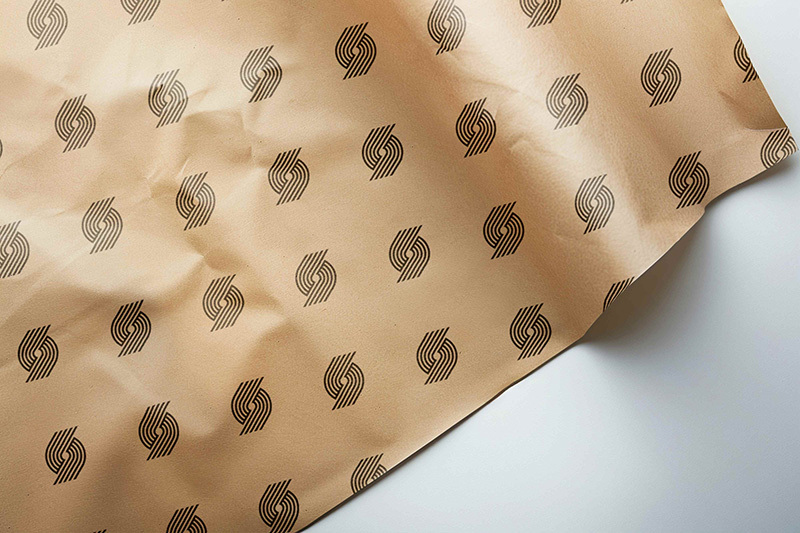
Yes - We offer custom-printed packaging paper. Because these are custom branded inline, the minimum order quantity is relatively high - 50 rolls (one pallet of material). Contact us for more information.
Do you offer automated, high-volume solutions for packing paper?
Yes - We use an automated dispenser for packaging paper in our warehouse. If you are interested in this, check out our automated fulfillment solutions and contact us to get your machine and refillable paper ordered.
Can packing paper be an eco-friendly alternative to gift wrapping paper?
Yes - Gift wrapping is one of our favorite uses for paper wrap. It is a beautiful, earthy, eco-friendly, and significantly less expensive way to wrap your products up for gift-givers. Add some hemp twine and a stamped design, and you will have a wow-worthy experience.
What is the best way to dispose of the paper roll and the plastic wheels?
The plastic wheels on the ends of the paper roll are essential to the slitting and rolling equipment used to create these usable paper roll sizes. The wheels also ensure the roll retains its shape rather than getting squashed throughout the supply chain. Unfortunately, these wheels are made of plastic and are unrecyclable. We continue exploring opportunities to use recycled content here and design for recyclability.
The paper roll (the roll that is left after you’ve used all of your paper), is curbside recyclable. It is also a very strong and durable roll, with significant potential for reuse or upcycling.
The paper roll (the roll that is left after you’ve used all of your paper), is curbside recyclable. It is also a very strong and durable roll, with significant potential for reuse or upcycling.
Is packing paper suitable for high-volume eCommerce operations?
Yes. Packing paper is well-suited for brands shipping hundreds or thousands of orders per week because it balances speed, protection, and sustainability. When used with roll dispensers or automated paper void fill systems, packers can tear only what’s needed for each order, helping reduce material waste, improve packing efficiency, and avoid the storage challenges associated with bulky plastic fillers. It’s also an easy way to start right-sizing packaging and reducing unnecessary materials.
How does packing paper compare to plastic void fill?
Packing paper provides many of the same protective benefits as Bubble Wrap® or air pillows, without the environmental tradeoffs. It takes up less storage space than pre-inflated plastic fillers, works within paper recycling systems customers already understand, helps reduce plastic use without sacrificing protection, and creates a more premium, intentional unboxing experience.